It's been awhile. Thought I should update:
Yes, finally finished our thank you cards - Jan. 24, 2014
but continually thankful for MANY things!
It's been awhile. Thought I should update:
Yes, finally finished our thank you cards - Jan. 24, 2014
but continually thankful for MANY things!
Thank you cards. So thankful. So many more to write. I admit though, sometimes (oftentimes), I get overwhelmed. Overwhelmed at how time is ticking away and how many cards/gifts there are. It's been almost 5 months since our wedding and it wasn't until this month we finally started, just barely! (I must admit though, really love the cards Bear designed and can't wait to share the joy with our loved ones).


It's been awhile, since I've last posted! (wow, last post was in July, huh?) I have good reason. Much has happened. ^_^ <3


it's raining in July! (today and yesterday). hot and humid and odd. reminds me of Taiwan (minus the mosquitoes). I sort of like it.
This is what I ordered this past weekend. Not my dream wedding gown, but it has pockets and the price is decent. However, the listed price of $99 was deceiving. It was actually $199 when it rang up. =/ I just checked davidsbridal.com again today and the price listed has been corrected. I just finished writing an e-mail asking them to please reconcile the difference. Hopefully, they do what is right. Other than that, I'm happy with my gown.

6/7/2012 Update: Gown received a few days ago (it's airing out at fiance's place). Also received an e-mail today from a very helpful individual at David's Bridal (3rd try - this time I called. I spoke with S yesterday and this morning she provided a response). They will be refunding me the difference and honoring the price they listed it for $99! PTL!
as a child growing up, I spent my time playing make believe, creating ninja stars, and playing with my cousin's hand-me-down brite-lite more often than dreaming about my (maybe) wedding. did I dream of a prince? sure, I did. he had a black horse and wasn't the boring, typical white knight-in-shining-armor. In any case, I thought of him and the day much less than I liked spending my time either reading RL Stine's latest or playing Final Fantasy. so did I dream the wedding (or the gown I'd be wearing)? nope...
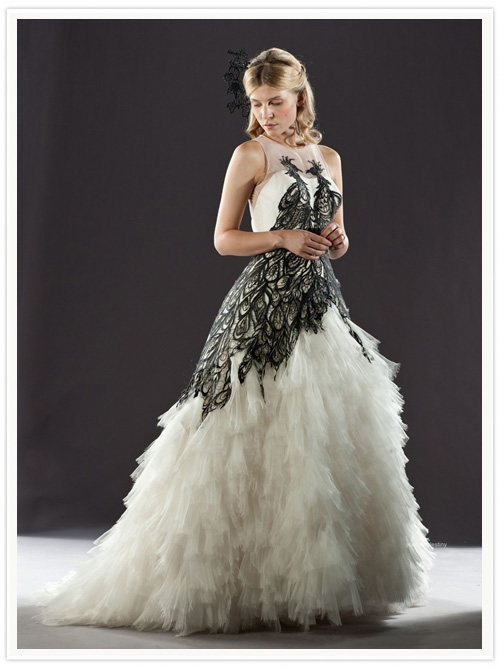
although, in the last few months, there were more than a few times that I wish I had put a little more thought into this (just a little). after much looking and fitting (I do not like shopping), I came to the conclusion that (1) I like a sweetheart neckline, soft tulle (almost feathery) material, soft white, some beading, corset-fit, simple and fun and wavy and flirty, ball-gown styles. The me-being-picky bit I already knew about. btw: most bridal gown reviews are quite unhelpful - they merely say something akin to, "I knew it before I tried it on. It was perfect! This is the one I'm going to walk down the aisle in! I feel like a bride!" I scratch my head and wonder, "Were there bells or some heavenly angelic chorus, too?" (not making fun of any lady that did, of course - good for you if that's the case). (2) Most, if not all, bridal gowns are beautiful (especially as they increase in price). (3) It's common for prices to be ridiculous (and that's BEFORE alterations, which can be even more ridiculous).
all in all, I did find a few I liked (no, not one that called my name unfortunately - or fortunately), but I didn't like them enough for the price... so what did I end up with? an online only purchase, didn't even try it on beforehand (which isn't my usual MO - I don't like risks. hopefully the sizing is correct), it has pockets, it's simple (no tulle and no beading and no princess-ball-gown feel), and it's a whole lot more cost-effective, especially if I plan to wear it only once in my entire life. will I regret not walking down the aisle in my dream wedding gown? no, at least, I don't think I will. I suppose that's the plus of not having grown-up with one in mind. so what did I have in mind growing up? a glass case to put all my collectible toys in, shelves of books (like Belle's), and an entertainment system that rocks, ha ha. I guess I thought less of my wedding and more so about the marriage after the wedding - a marriage like my parents (they're best friends and some days, I come home to them playing the wii or rock band), like Christ and the Church (one that is not of this world), like the one God has planned for me. that's what I'm looking forward to and working towards by God's grace and help.


the feathery one also looks very much like Fleur Delacour's.
As others are up right now playing Diablo III or sleeping...
I am wedding planning (and have been up to 2 or 3 am for a few weeks now). I know it's a marathon (with a deadline) and not a race, I just can't help always feeling behind and like I'm racing against some invisible clock (costing either money or unsecured stuff for the day-of because vendors are "booked").
Must remember to count my blessings (namely, my fiance, family & friends who bless this upcoming union, God who is faithful, provides, and is in control)....
and by God's grace, somehow not have this feel like work, too (playing catch-up and living & breathing deadlines all the time).
Still tired.
starting to feel slight discomfort in my right wrist. 
Recent Comments